




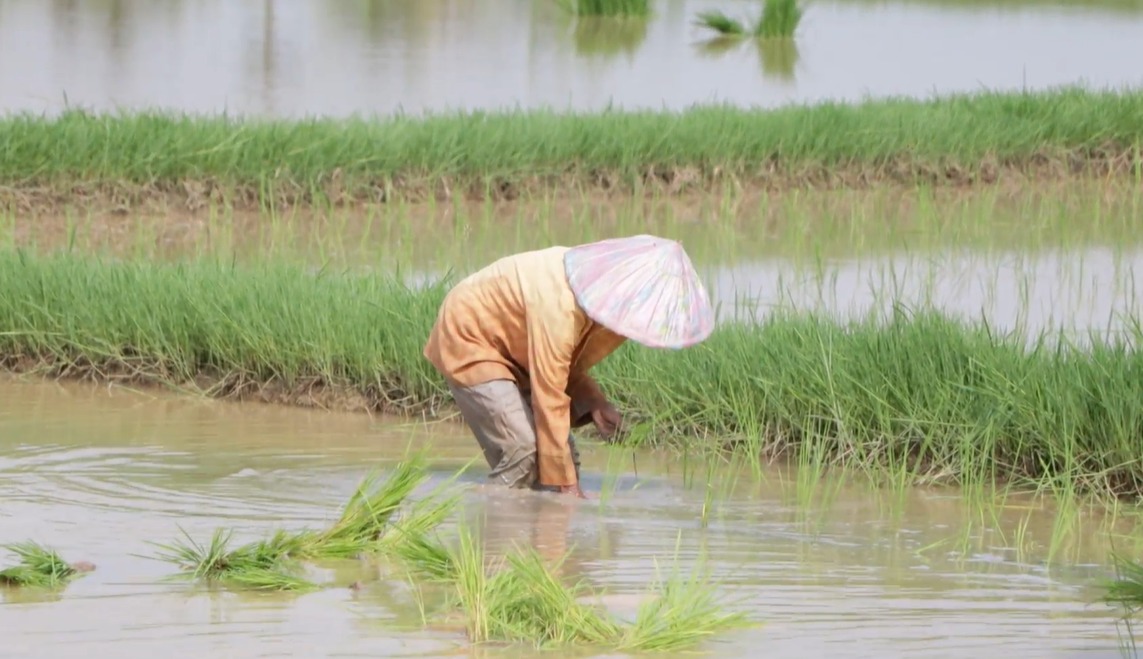
Entering early 2026, several staple food items in Indonesia have seen price increases compared to the previous year. This isn’t just a matter of distribution or speculators; the climate crisis is playing a major role.
Based on data from the Ministry of Trade of the Republic of Indonesia, the commodity with the highest price hike is:
🧅 Shallots
📅 January 6, 2026
💰 National Average: IDR 49,300/kg
📈 Up 11.8% (year-on-year)
Additionally, price hikes have also hit chicken meat and eggs, bulk and premium cooking oil, beef, wheat flour, and bulk granulated sugar. The increasing vulnerability of food prices year after year is a clear reflection of how susceptible our food system is to the climate crisis.

Direct Impacts on Food Production
The climate crisis directly impacts the “upstream” of our food supply:
-
Erratic rainfall patterns
-
Shifting planting seasons
-
Increased risk of crop failure
📉 Minor production disruptions = immediate price spikes
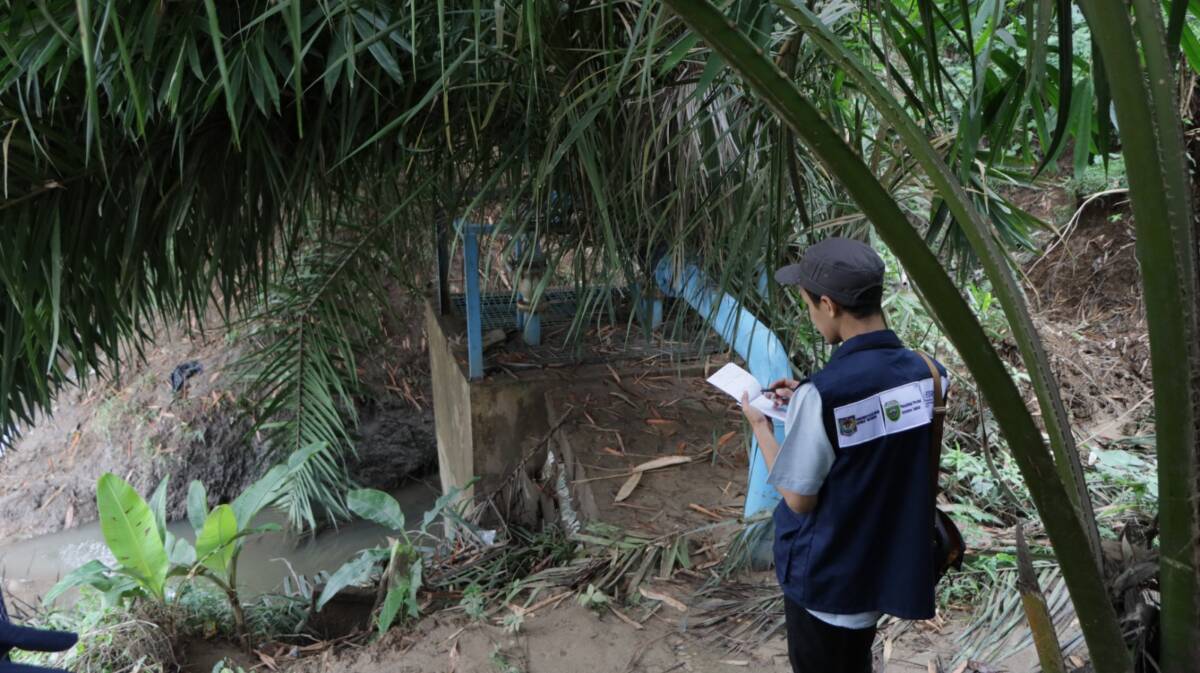
The momentum of National Nutrition and Food Day should serve as a reminder that access to food cannot be separated from climate issues and food security.
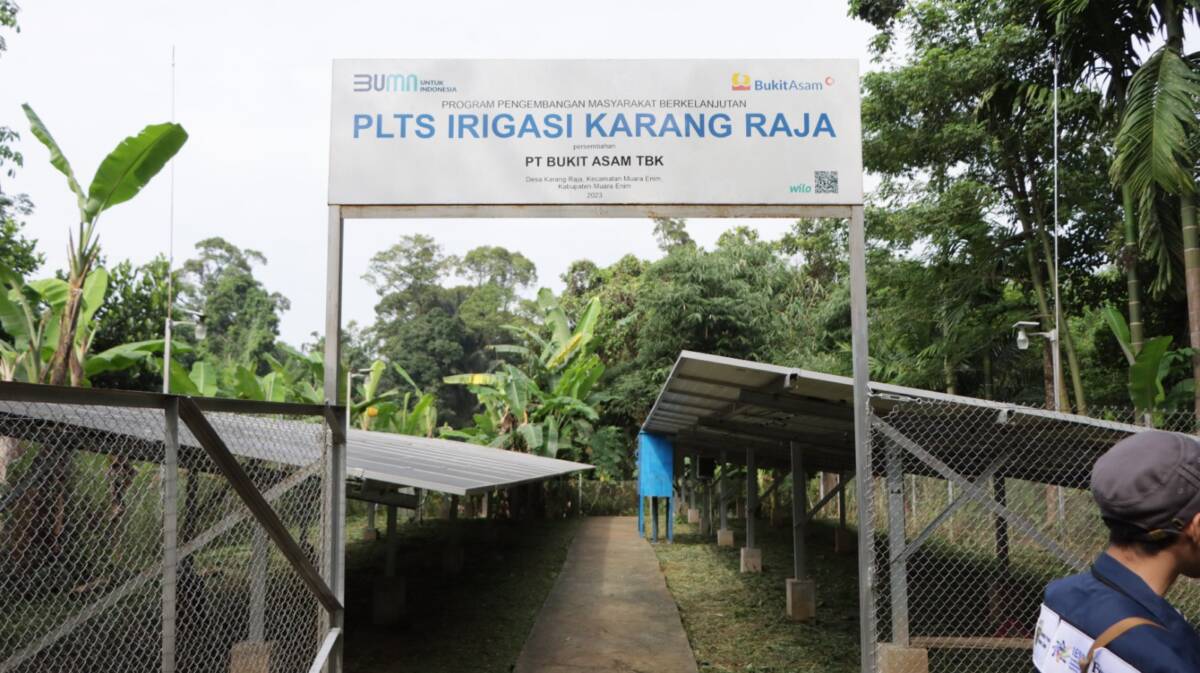
Moving Beyond Temporary Fixes
Solutions like “market operations” (price interventions) are no longer enough. What we truly need is:
-
Agricultural adaptation to the climate crisis, such as using solar power (PLTS) for rice field irrigation.
-
A more resilient food system.
-
Food policies that are fully integrated with the climate agenda.
If the climate crisis continues to be ignored, our dinner tables will be the first to feel the impact.
Learn more about the climate crisis at: s.id/ETuntukPemula
Sources:
Kata Data (2026). Daftar Bahan Pangan yang Harganya Naik Awal 2026
Maximilian Kotz et al. (2025). Climate extremes, food price spikes, and their wider societal risks