
Commencing the Retirement of Coal-Fired Power Plants through Flexible Operations and Renewable Energy Utilization

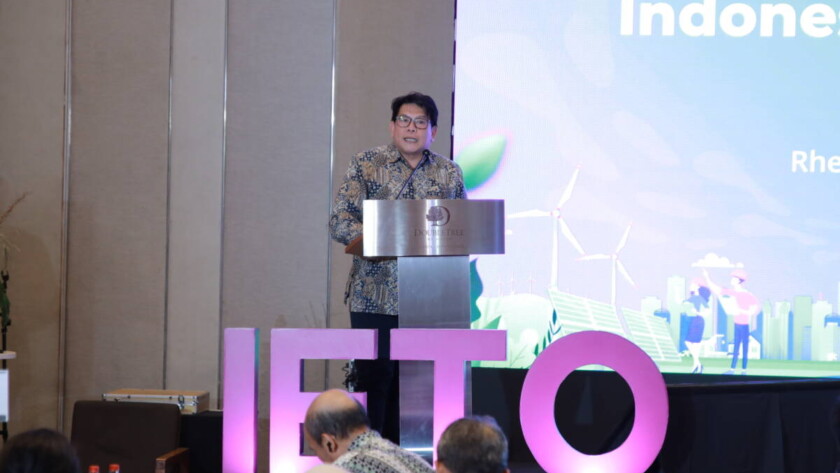
Jakarta, November 27, 2025 - Indonesia has imposed restrictions on the development of new coal-fired power plants as part of its commitment to achieving net zero emissions (NZE) by 2060. However, the government still allows exceptions for projects integrated with industrial zones, national strategic initiatives, or those already included in existing plans. These provisions are…

Read More

Utilization of Renewable Energy Becomes a Development Priority in Central Java

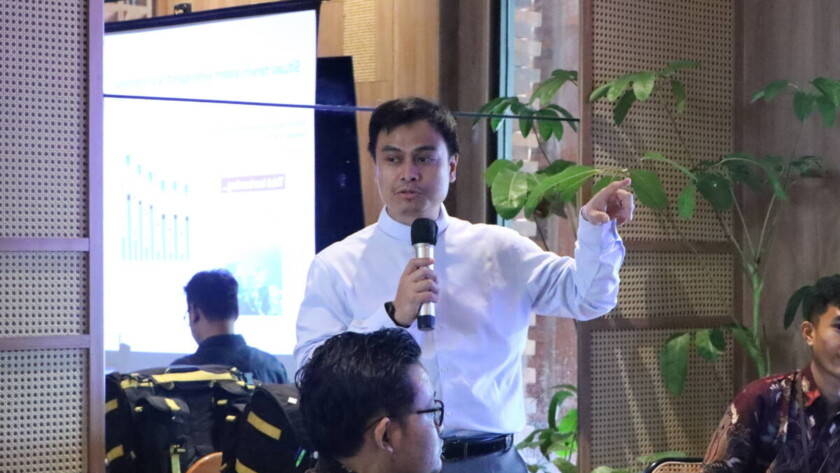
Semarang, November 28, 2025 – Central Java is at a critical juncture in its journey toward future energy. Amidst the constantly growing need for electricity, the province holds a vast opportunity to become a center for renewable energy development in Indonesia. Sodi Zakiy Muwafiq, a Geographic Information System (GIS) Analyst at the Institute for Essential…

Read More

Rising Emissions Overshadow Ambition for 8 Percent Economic Growth

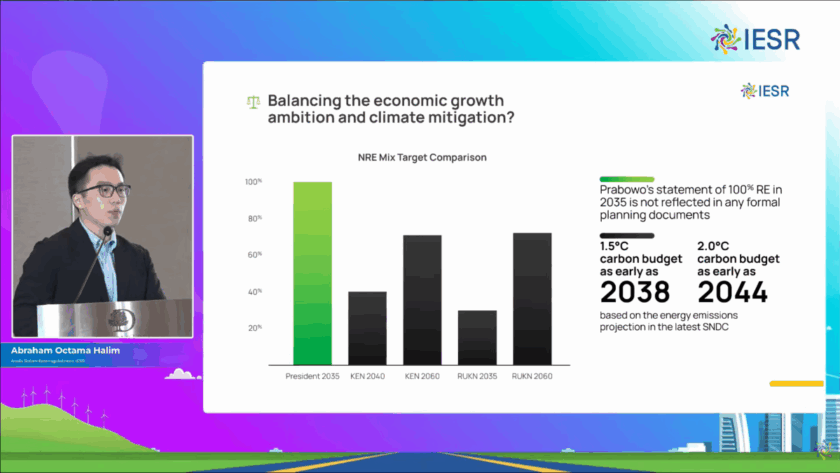
Jakarta, November 20, 2025 - By the end of 2025, Indonesia’s energy transition remains largely rhetorical and continues to fall short of its stated goals. Although commitments to renewable energy appear to have strengthened over the past decade, the dominance of fossil fuels has in fact increased, further deepening the country’s dependence on fossil-based energy…

Read More

Progress on Emission Reduction in the Green Building Sector in Indonesia

Jakarta, November 17, 2025 - Various sectors in Indonesia continue to move towards a low-emission future, and one area currently receiving significant attention is green buildings. Amid the escalating climate crisis, energy conservation efforts are becoming increasingly urgent, leading the concept of green buildings to emerge as a strategic solution to reduce emissions in the…

Read More

Community Involvement as a Guarantee of a Just Transition in Coal-Producing Regions

Jakarta, November 13, 2025 – Although coal remains dominant and supports the economies of coal-producing countries like Indonesia, strengthening global climate commitments and decarbonization plans in destination countries for Indonesian coal exports, such as China, need to be anticipated.   Arief Rosadi, Climate and Energy Diplomacy Program Manager at the Institute for Essential Services Reform…

Read More

Coal Regulation Rollback Risks Economic Growth

Jakarta, November 14, 2025 - The government is currently drafting amendments to Presidential Regulation (Perpres) No. 112 of 2022 on the Acceleration of Renewable Energy Development for Electricity Supply. Some of the proposed revisions include relaxing provisions that would allow the construction of new coal-fired power plants under the justification of maintaining system reliability. Additionally,…

Read More

One Year of the Prabowo-Gibran Administration: 9 Recommendations for Realizing Clean Energy

Jakarta, November 11, 2025 - The administration of Prabowo Subianto and Gibran Rakabuming Raka officially completed its first year on October 20, 2025. In its first year of leadership, Indonesia has shown a strong commitment to the energy transition. This commitment was conveyed in various national and international forums such as the G20 Brazil 2024…

Read More

Reflection of the 47th ASEAN Summit: Current Conditions and the Role of Civil Society in Achieving ASEAN Vision 2045

Jakarta, November 6, 2025 – The UN Emission Gap Report 2025 states that, with current climate commitments from all countries worldwide, global warming is still on track to lead to a temperature rise of 2.2–2.5 degrees by 2100. Southeast Asia, as one of the fastest-growing economic regions, is also the region most impacted by the…

Read More

Solar-Powered Water Pumps (PATS) Promote Energy Independence and Food Security

Semarang, October 30, 2025 – The agricultural sector is one of the main pillars in achieving food security in Indonesia. As an agricultural country, Indonesia has great potential to develop a sustainable agricultural system. However, farmers still frequently face challenges in water availability and access. This often happened in rain-fed areas due to limited irrigation…

Read More