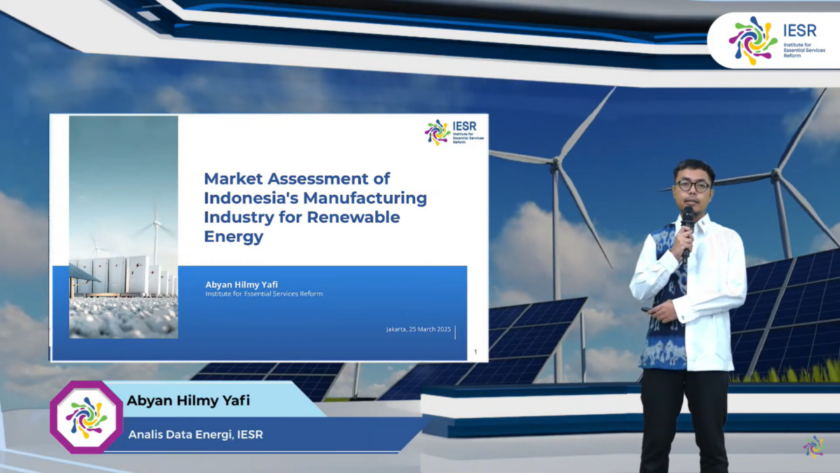
The Institute for Essential Services Reform (IESR) estimates that the economic potential of developing a renewable energy manufacturing industry in Indonesia could reach IDR 8,924 trillion by 2060. Read more on Kumparan.
The Institute for Essential Services Reform (IESR) has identified the potential for developing renewable energy projects of up to 333 GW, which can be supplied by power plants from new renewable energy (EBT). This is discussed in its latest study, Unlocking Indonesia's Renewable Future. Read more on Detik.com.
Jakarta, March 25, 2025 - The National Electricity General Plan (RUKN) published at the end of 2024 targets that of the 444 GW of energy generation capacity by 2060, 73.6 percent (326 GW) will come from new and renewable energy sources. Solar, wind and battery energy contribute around 109 GW, 74 GW and 34 GW…
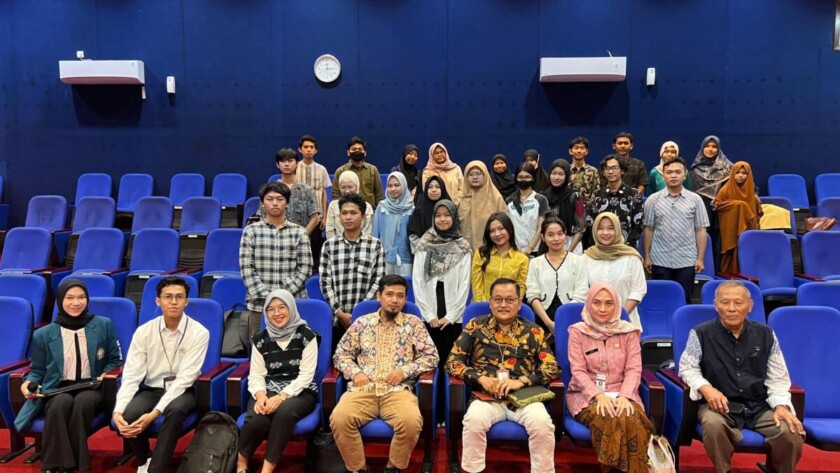
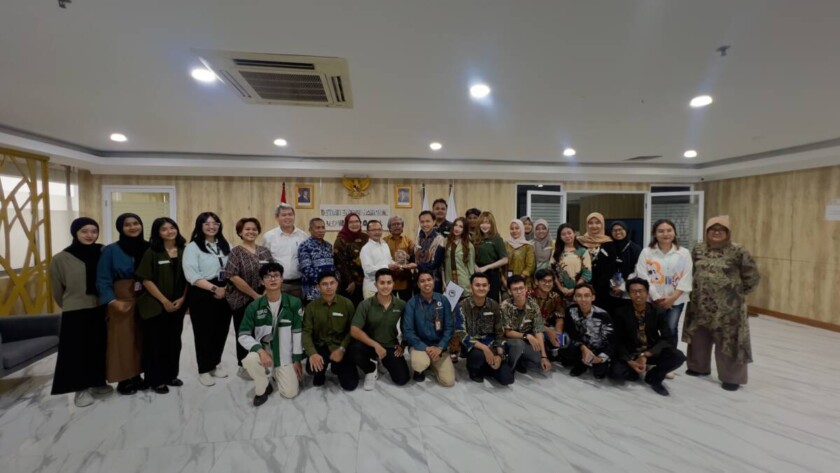
Semarang, March 20, 2025 – The worsening environmental damage is directly impacting the future of younger generations. From declining air quality and clean water crises to climate change disrupting agriculture and public health, the consequences are severe. Despite not being involved in past decisions, today's youth will bear the brunt of these impacts. Therefore, young…
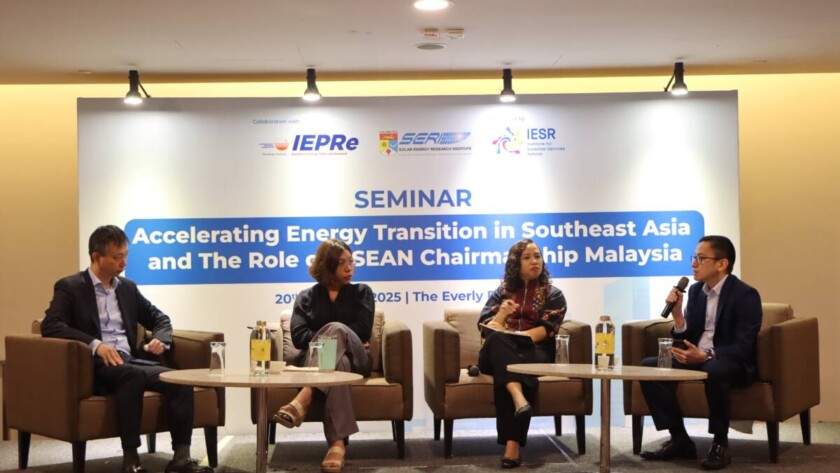
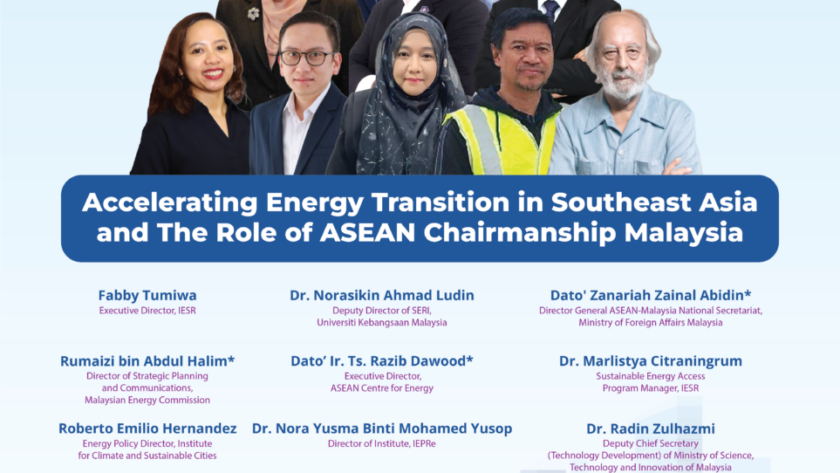
Putrajaya, February 20, 2025 - Southeast Asia is the region with the largest economic growth today. Economic growth goes hand in hand with the demand for energy to drive economic activities. With the ambition to pursue economic growth, energy needs in the ASEAN region will also increase significantly.
The fulfillment of these large energy needs…
Background
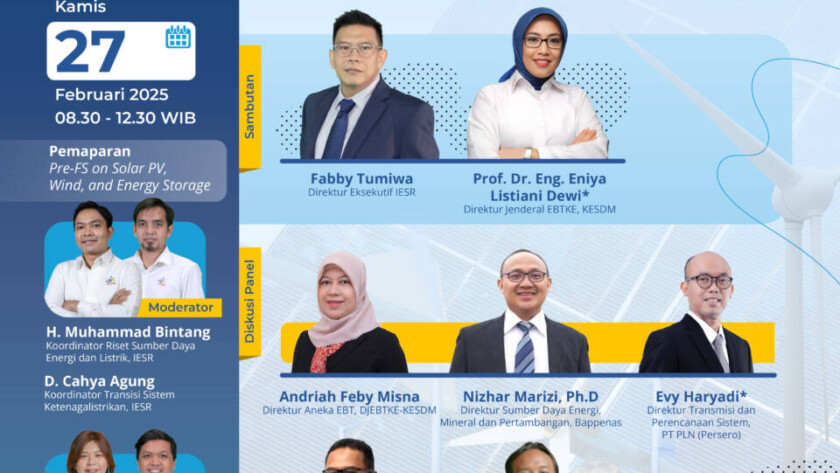
In the Enhanced Nationally Determined Contribution (ENDC) report, the Indonesian government targets in 2030, emission reduction in the energy sector to reach 358 million tons CO2eq by its own efforts (CM1). In line with this goal, the Indonesian government is also committed to achieving Net-Zero Emission in the energy sector by 2060 or sooner.…
Semarang, February 6, 2025 – Central Java plays a crucial role in national economic development, with its rapidly growing industrial sector. According to data from the Central Statistics Agency (BPS), the province contributed 8.24 percent to the national economy in Q3 2024, with the manufacturing sector dominating Central Java’s economic structure at approximately 33.31 percent.…
Jakarta, 4 February 2025 – In an effort to encourage the energy transition towards Net-Zero Emission Indonesia in 2060 or sooner, the Coalition for Emission-Free Indonesia 2050 (KIBE 2050). KIBE 2050 is a forum for young people from various communities, NGOs, and community organizations that focus on sustainability and support the government in realizing…
Background
Southeast Asia stands as the fifth-largest economy in the world, with a Gross Domestic Product (GDP) of approximately USD 3.8 trillion in 2023. The region's economy is projected to triple by 2050, reinforcing its role as a major global economic player. However, this rapid economic expansion is expected to drive a significant increase in…
Jakarta, January 30, 2025 - Indonesia has 3,687 GW of renewable energy potential, a significant asset for developing green hydrogen. The Institute for Essential Services Reform (IESR) recognizes green hydrogen as a key solution for accelerating decarbonization in industry and transportation, particularly in energy-intensive sectors that require high-temperature combustion, heavy equipment operations, and long-distance land…
Jakarta, January 22, 2025 - The administration of President Prabowo Subianto and Vice President Gibran Rakabuming Raka will complete 100 days on January 28, 2025. The Institute for Essential Services Reform (IESR) believes that while the government has expressed enthusiasm for achieving energy independence and aiming for zero emissions before 2060, this commitment has not…
Jakarta, December 17, 2024 - The government needs to anticipate the peak of pollution in various cities in Indonesia, especially Jabodetabek, which tends to occur in June to August each year, which coincides with the peak of the dry season. One way is to encourage the improvement of Indonesia's fuel quality to Euro IV standards. …